



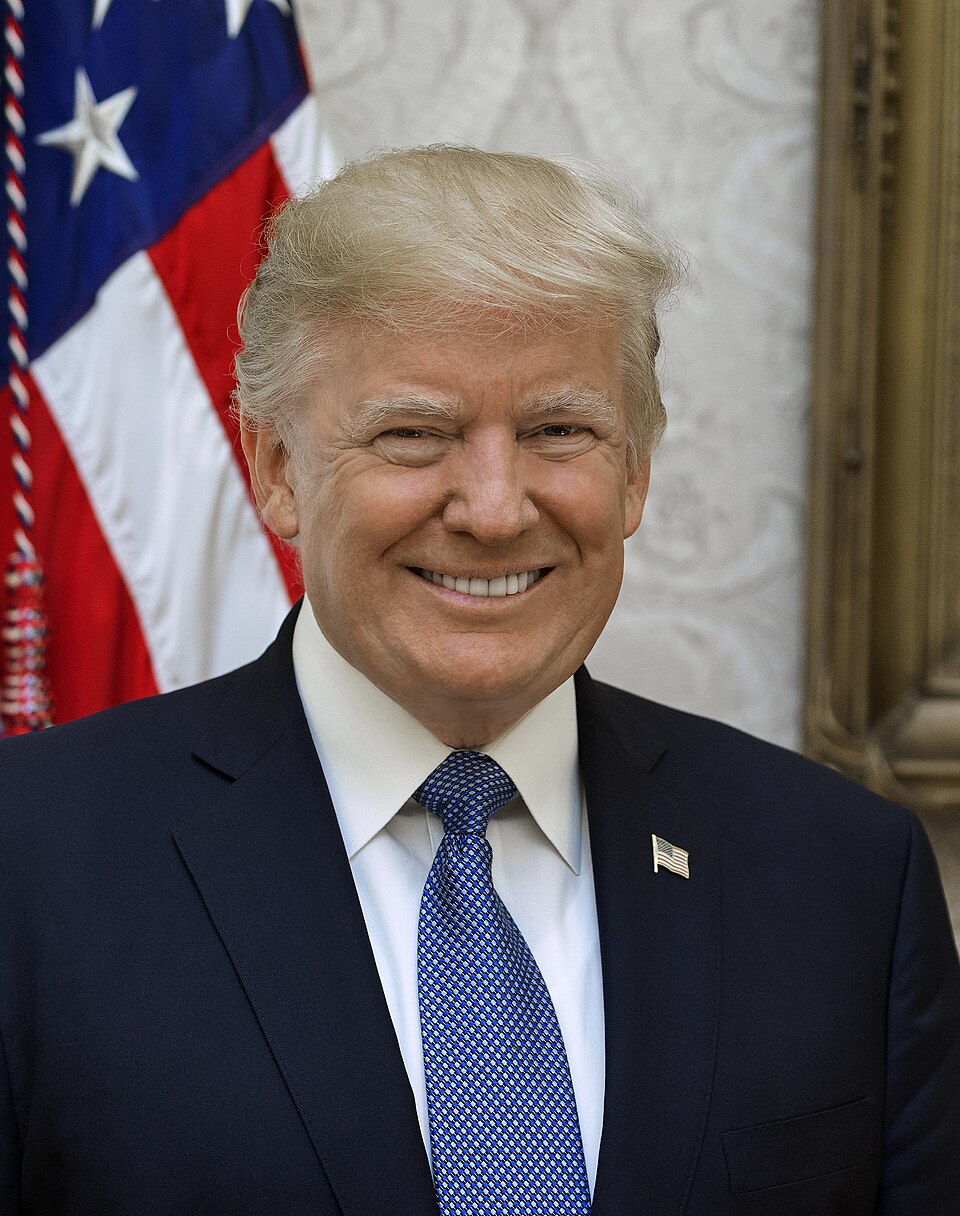
Donald Trump has hit back at the United States Supreme Court by announcing sweeping new global tariffs of 15%, a day after the country’s highest court struck down his previous import taxes and handed him one of the biggest legal defeats of his presidency.
The move comes under an obscure provision of the 1974 Trade Act — a law that has never previously been used — which allows the new tariffs to remain in place for around five months before requiring congressional approval. Trump initially announced a 10% replacement levy on Friday, but upgraded it to the maximum permitted 15% the following day via a post on his Truth Social platform.
The Supreme Court had ruled 6-3 that Trump overstepped his presidential powers when he originally imposed sweeping tariffs using a 1977 law known as the International Emergency Economic Powers Act. In a notable split, two of the justices who voted against Trump — Amy Coney Barrett and Neil Gorsuch — were his own nominees. Chief Justice John Roberts joined them alongside the court’s three liberal justices. Trump responded by calling those who ruled against him “fools” and said he was “ashamed of certain members of the court.”
The ruling also raised the possibility of refunds for the $130 billion already collected under the now-struck-down tariffs. Business groups and trade organisations have already vowed to pursue reimbursements, though Trump indicated on Friday that any refunds would require a lengthy legal battle. The US Chamber of Commerce urged swift repayment, arguing it would benefit more than 200,000 small business importers across the country.
For the UK, the picture is complicated. A White House official confirmed that countries which had previously struck 10% tariff agreements with Washington — including Britain — would now face the higher 15% rate under the new law. However, sector-specific deals covering UK steel, aluminium, pharmaceuticals, aerospace and automotive goods, which account for the bulk of British trade with the US, remain unaffected. The UK government said it expects its “privileged trading position” with Washington to continue and described the tariff rate as a matter for the US to determine.
Reaction from European leaders was swift. French President Emmanuel Macron called for reciprocal rather than unilateral trade rules, while German Chancellor Friedrich Merz described the ongoing uncertainty around tariffs as “poison” for both European and American economies, vowing to coordinate a joint EU response ahead of a planned visit to the US.
Domestically, opinion on the new tariffs is sharply divided. A Baltimore steel plant owner told the BBC he was “very disappointed” by the Supreme Court ruling, arguing it damaged prospects for American manufacturing workers. A Virginia soybean farmer took the opposite view, calling the court’s decision “a huge win” for those harmed by the trade war. One former UK government trade adviser warned that regardless of which side claims victory, global trade has simply become “a lot messier.”
The 15% tariffs are currently set to take effect from Tuesday 24 February, though it remains unclear whether the revised rate will apply from the same date as originally planned.
