



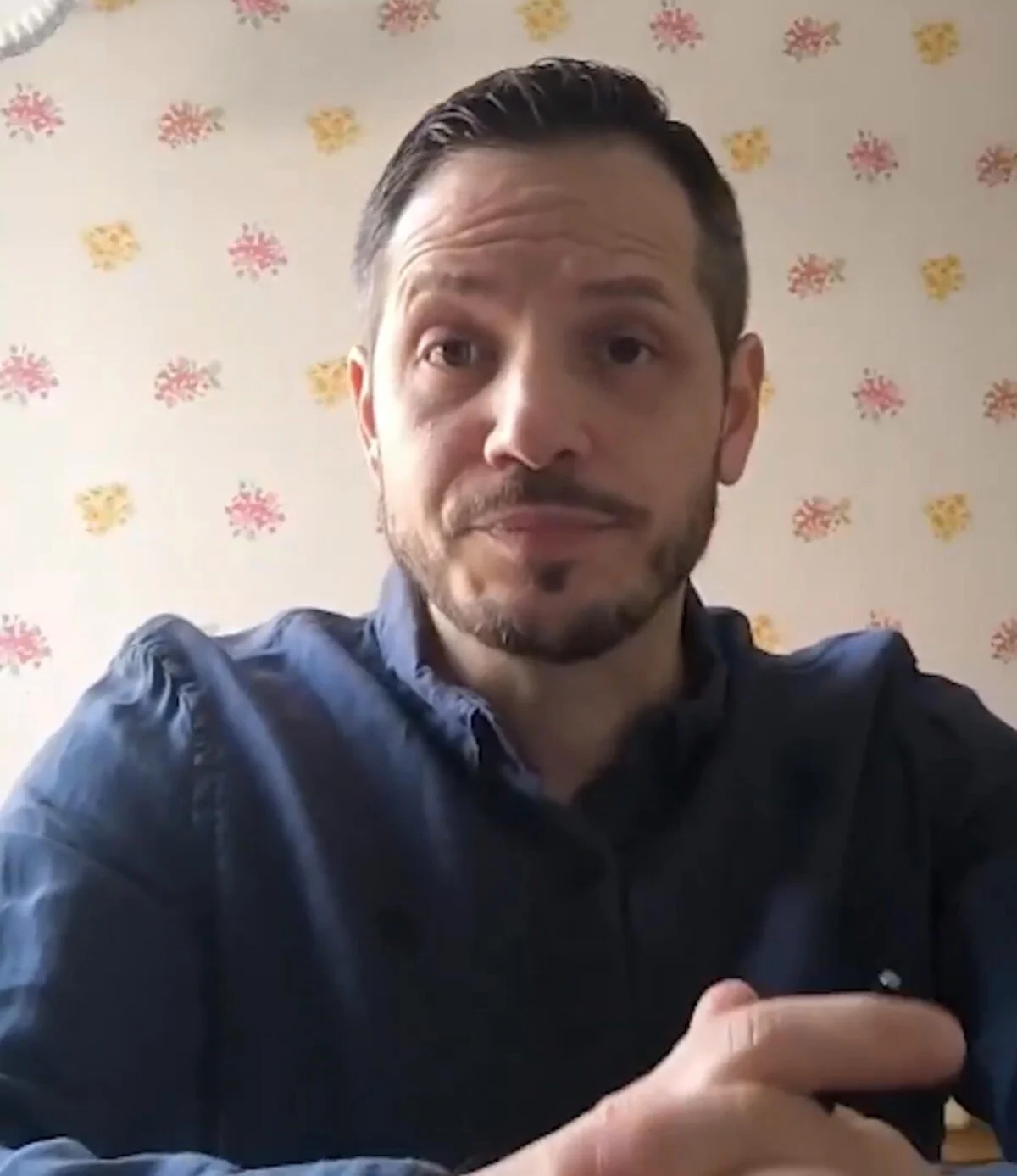
Alexander Rocha, from Reykjavik, said in the video that the custody decision was handed down last December and that he has been unable to see his son for months as a result. He said his refusal to consent to his child undergoing gender transition and identifying as a girl was at the centre of the legal dispute. Rocha said his son had already been diagnosed on the autism spectrum, and that he did not believe a child of that age should be subjected to medical interventions such as puberty blockers or hormone therapy, which he described as life-altering.
Rocha confirmed he is pursuing an appeal against the court’s decision in an attempt to regain custody. The timeline for that process and whether he will be granted any visitation rights in the interim has not been confirmed. The specific medical recommendations made by healthcare professionals and the full reasoning behind the court’s ruling have not been made public.
The case sits within a complex legal framework in Iceland. Under the Patients’ Rights Act, children under 16 require parental consent for medical treatment, though those aged 12 and over must be consulted on decisions affecting them. However, if a parent refuses consent for treatment that doctors classify as necessary, medical professionals are able to refer the matter to child protection authorities. That referral process creates a legal route through which disputes between parents and healthcare providers over treatment, including gender-related care, can escalate beyond the parents’ direct control.
Gender-related healthcare for under-18s in Iceland is additionally governed by the Gender Autonomy Act of 2019, which establishes specialist multidisciplinary teams and formal appeal routes. The legislation does not contain a specific clause either authorising or prohibiting puberty blockers for minors. In practice, such treatment falls under general medical consent law and child welfare oversight rather than dedicated legislation.
The details of what child protection authorities and medical professionals presented to the court in the proceedings leading to the custody removal have not been disclosed publicly. Neither the specific diagnosis nor any formal medical recommendation regarding the child has been confirmed beyond what Rocha has stated himself.
Rocha’s appeal is ongoing and no ruling date has been announced.
